School is Easy Tutoring

Tutoring Agency

  • Home
  • Our Difference
    • Our Offerings
  • Our Process
  • Subjects
    • English
    • Maths
    • Science
    • ESL
    • Social Studies
    • ACT Prep
    • Special ED
    • SAT Prep
    • FSA Test Prep
    • Language Studies
    • Test Prep
    • Spanish, French, German
    • Music
    • Home School
  • Location
    • Canada - British Columbia
      • Burnaby/North Shore
      • Langley North
      • Surrey/Delta
      • Tri-Cities/New West
      • Vancouver/Richmond
    • Canada - Alberta
      • Alberta South
      • Edmonton
      • Leduc
      • Sherwood Park
      • St. Albert
      • Northwest Calgary
      • Southwest Calgary
      • Northeast Calgary
      • Southeast Calgary
      • Airdrie
    • Dubai
      • Downtown Dubai
  • Explore
    • About Us
    • Blog
    • Subscribe to Newsletter
    • School is Easy in the News
    • Awards
    • Community Impact
    • Become a Tutor
    • Meet the Team
    • FAQ
  • Contact & Support
  • Franchise Opportunities

A Parent's Blog About Parent Interests by our Tutoring Company

When it comes to your child's development, educational potential, or their health, visit this section of our education blog for our latest articles. We'll focus on parent interests here. Subscribe to our newsletter (on the left or below on mobile) to get bi-monthly updates in your inbox.

The Effects of Child Beauty Pageants on Kids

Susan Cumberland Published: May 20, 2016 Last Updated Date: June 27, 2024

Child Beauty Pageants on Kids

If you thought child beauty pageants happened mostly in United States, you may be surprised to know that they are actually quite popular in Canada too. Miss All Canadian Pageant is one of the biggest in the country. As indicated on their website, anyone from 0 to 20+ years old can be registered in their beauty pageant. Self-esteem, confidence and social growth are some of the core values they say children will walk away with after participating in their beauty pageant. So do kids actually benefit from participating in beauty pageants or are there more negative effects associated with this practice?

Child beauty pageants give kids a superficial view on beauty

Based on a short documentary by CBC, ‘natural beauty’ may not be enough for a child to win a beauty pageant. Yes, there are dresses, costumes, and makeup, as we’d expect. But children may also get  wigs, spray-tans, and even get their pictures re-touched. The message children may get is that, in order to be liked, they need to be beautiful. But in order to be beautiful enough, they need to accentuate how they naturally look. They are not being taught that all children can be beautiful based on many other reasons other than physical appearance.

Psychology Today points out that any activity focusing on what a child looks like, can have a long-lasting effect on body image once they get to their teens. Issues may be carried even into adulthood. Some may suffer from eating disorders, perfectionism, and depression.

Child beauty pageants teach kids that success is based on looks and how others perceive them

One view on beauty pageants is that they teach children that success (winning a trophy or a crown in this case), is very much related to how they look. Yes, there is a talent portion to the pageant. But they still need to look beautiful while performing. And even showcasing a talent may not truly be what the child is good at. It may be what the parent thinks will win the judges over.

So in the end, the child’s view on success may not even be related to who they are, what they like, or what they are good at. Instead success becomes attainable only when parents and in some cases coaches shape them to their liking.

Children may also internalize the concept of perfectionism. They are trained to perform in a certain way and to not only do their best, but do it perfectly. Not only does this put huge pressure on kids, but it may teach them that whatever they do is not good enough, unless they win.

Child beauty pageants sexualize girls in particular

From the CBC documentary on child beauty pageants linked to above, we can see some parents who choose their girls’ costumes appropriate to their age. However, as some note, the overall trend of these beauty pageants is on portraying sexy rather than cute. So, we end up seeing little girls dressed in skimpy clothing that hardly covers their underdeveloped body. They will then parade like ‘sexy’ super-models. They may even showcase provocative routines during the talent show. According to the American Psychological Association, sexualizing girls can lead to depression, low-self esteem, shame and anxiety, and eating disorders, among others.

As stirred up by the comedian John Oliver, the idea of beauty pageants still being in existence is dated and one of the “weirdest” things on television (as he says it). In his video, he rants with the undertone that we should acknowledge strides feminism has taken in the last couple of decades. Are we still living in a world where we give women points, and have men judge them, based on their physical image?

Admittedly, John Oliver’s other major point in his rant was about the financial management of the Miss America Pageant rewards. But the point in this article is that his talk was about adult pageants. Taking his points and applying them to child pageants could multiply the seriousness of the situation to some skeptics.

When contemplating the decision of enrolling children in beauty pageants, it is important to take into account the potential long-term consequences discussed in this article. Specifically, it is crucial to consider how beauty pageants can impact the mental well-being of our children, as we are deeply concerned about their overall healthy development.


 

How to help kids who won’t come to school

Susan Cumberland Published: May 13, 2016 Last Updated Date: June 27, 2024

walking to school - kids who won't go to school

Monday comes around and your child is refusing to go to school. Your kid used to love going to school but this has now become a daily battle. So you engage your child because you know school is a must and there shouldn’t be any reason, other than illness, to skip school. The result is a power struggle that may only intensify the negativity with which your child is viewing going to school. If this is a daily occurrence in your household, here are some ways to help your kids love going to school:

Find out what is bothering them about school

According to Sara Bean, M.Ed., children who refuse to go to school may be experiencing a number of issues. It’s possible that they are being bullied. They may also be having trouble meeting their academic requirements. They could be having issues with responding to authority and rules. They can also be having other types of anxieties which may or may not be be related to school. Sara Bean also suggests that, when trying to find the root cause of your child’s issue with school, you should use open-ended questions. For example, you could ask,

  • “Who is bothering you at school?”
  • “Which subject are you having the toughest time with?”
  • “How are you feeling in Ms. X class?”

These types of questions will probably help your child open up to you and get the conversation going.

Respond appropriately and find a long term solution

When your child opens up about what’s bothering them about going to school, don’t take the response lightly by trying to find a quick solution to it. Some parents may resort to bribing them for the day or week, or promising them it’ll get better soon but not really doing much about it. Based on Sara Bean’s four possible categories your child may have fallen into, they may need extra tutoring to meet their academic shortcomings, counselling, a talk with the teacher or principal, changing classes or school, and so on.

Example, routine, dialogue, involvement

Once a long term solution to the particular issue(s) your child expressed are appropriately addressed, you can establish healthy practices going forward to keep your child motivated. Begin by becoming a motivating example to your child. According to parenting expert Brenda Nixon, “a parent’s attitude is contagious.” So if you wake up in a bad mood, remember that children are influenced by your attitude. Based on Nixon’s advice, the article linked above suggests to be positive in the mornings and leave enough time as to not rush them to school. Make their mornings as calm as they can be.

For this to happen you could set up daily routines for your child. You could both do a fun routine chart so your child knows what to expect every school day. This will ensure your child has a regular bed and wake up time, a set snack, homework, dinner, and free time, for example.

Ensure there is daily dialogue with your child. A great place to ask about how everything is going at school may be at the dinner table. You can also have this talk at bedtime. This can be a way for your child to open up with you about school. By having open dialogue, you can hopefully catch issues before they become a morning power struggle again.

Finally, Care.com suggests getting your child involved in either sports, music, or another after school related activity. Not only will your child make new friends, it will give them a positive outlook on school. They will have something to look forward to after school is done. Do be careful  that you are not over-scheduling your children though, as they still need time to do homework and rest.

If you child is chronically refusing to go to school, there may be a deeper issue at hand. The solutions may be ongoing until your child graduates from school. Don’t just quickly dismiss your child’s plea. Instead, get to the bottom of it and find a workable long term solution. Your children may love going to school for the rest of their school life if you do so!

Plus, see these related articles on our blog!

  • Spending one-on-one time with your child to figure out how they learn
  • Learning how your child learns: making the assessment
  • The importance of interest in learning


What are the benefits of kids learning to skateboard?

Susan Cumberland Published: April 29, 2016 Last Updated Date: June 27, 2024

Kids learning to skateboard

Skateboarding may often be associated with ‘rebellious street’ teenagers who love adrenaline. But you may be surprised to know that skateboarding is not just for youth looking for a cool lifestyle.

Allowing kids to learn skateboarding has significant benefits for their development. Yes, it can be a dangerous sport. But don’t most sports carry some level of risk? Below you will find some of the ways your kids may benefit from skateboarding. There’s a chance your negative view on skateboarding may fade away.

Kids learning to skateboard get a full workout

According to healthfitnessrevolution.com, when your children skateboard they need to use their entire body to get that skateboard moving (unless they are going downhill). They need to exercise their feet, legs, arms for balance, and torso for turning. Of course, at the beginning, kids learning how to skateboard will get less of a workout. But once kids learn the basics, the amount of muscle work and physical movement needed to skateboard will greatly benefit their overall physical health.

Falling and getting back up teaches endurance and perseverance

Skateboarding is all about falling down and getting back on the skateboard. With the right coaching and encouragement, kids learning to skateboard will be motivated to learn how to fall. They will then learn how to keep going and become better no matter how many falls it takes. Thus a great lesson on endurance and perseverance can come with skateboarding.

Learning to skateboard can give confidence to children with special needs

The CJ Skateboard camp is a great example of an organization that has proven how beneficial skateboarding can be for autistic children and other special needs kids. Its founder, Jay Mandarino says that they’ve had autistic kids “who were never supposed to speak end up speaking.”

There is another non-profit organization called Get on Board that focuses on teaching kids with Autism and special needs to skate, at no cost. They have seen first hand, through thousands of students, how “suddenly, a kid who never looked up is looking up.” Kids with special needs are empowered by learning how to skateboard..

Skateboarding can teach your children about inclusion

Eva Glettner is a mom of three boys who are into skateboarding. She describes how going to a skatepark taught her and her boys to be non-judgemental.

It’s happened to most of us. We judge people based on their looks, their fashion, how tattooed they are. Yet, according to Glettner, no matter how you look, you are welcomed. What’s more, she says there’s always someone to help you get back on your skateboard. So now her boys have become part of the “camaraderie that skaters have with one another.”

Perhaps it’s time for us to forget about the skateboarding lifestyle that’s often associated with this sport. And maybe to put less focus on the dangerous physical risks that skateboarding can have, in exchange for some of these benefits. Even if you are not intending your kid to become the next Tony Hawk, you might want to give your child a chance to learn how to skateboard!

See a similar articles from our blog!

  • 3 reasons why children should learn to swim
  • Kid’s health: the importance of kids staying hydrated for academic performance and activity
  • How to teach kids to try, try again
  • Teaching pedestrian safety to kids

Where is it better to educate children, the city or the suburbs?

Susan Cumberland Published: April 22, 2016 Last Updated Date: June 27, 2024

Educate kids about culture and diversity

When it comes to educating our children, does it make a difference if you raise kids in the city or the suburbs? Does one place offer better educational resources than the other? Here are some points to consider if you have come across these questions:

City life: Educate kids about culture and diversity

Cities are hubs for educating children about culture and diversity as they are filled with people from all over the world and all walks of life. Kids raised in cities will grow up hearing different languages and seeing different races. They might even be exposed to food from other countries considering the array of restaurants cities can offer.

They also see rich, poor, disabled and privileged people using the same public spaces. For example, a simple ride on the subway, skytrain, or bus may be a great world lesson on its own as it will show the diversity mentioned above. Inner city schools will most likely also be quite culturally and economically diverse.  Due to the offshoot issues that poverty and assimilation can create for a school’s entire student base, this can be seen as a good thing or a bad thing, depending on the viewpoint of each individual.

By exposing children to such an environment, children can grow up knowing that everyone is different and yet we can all coexist in one place. With proper education, they can be raised to respect the diverse world we live in.

According to the article linked to above, cities are also filled with museums, public galleries, educational centres and often have cultural events that are easily accessed by those living in the city. These public places will teach children the importance of art, culture and history both inside and outside the classroom.

According to some, a drawback may be that a large percentage of kids who attend inner city schools come from poor families who may not be able to afford extra curricular activities. This may force kids to misuse their free time in illegal activities, for instance drug dealing and stealing. Kids growing up in such a way may have a negative effect on the school experience as a whole.

Suburban life: Space, nature, better schools

Life in the suburbs will typically offer much more space for children to spend time outdoors, which will enable them to explore and learn more about nature. In addition, they may get more physical exercise in a cleaner environment. The Waldorf theory of education, which encourages spending time outdoor as part of a child’s learning development, is a great example of how beneficial this may be for children. Check out our blog post on the topic.

Suburbs may also offer tighter communities with families of similar backgrounds, which can offer children a sense of safety and familiarity. Instead of having to stay at an urban playground watching your kids like a hawk, children can safely spend time in your own spacious backyard. You could also let your children play in the cul-de-sac with the neighbourhood children.  Allowing your children more freedom to play unsupervised in the suburbs doesn’t necessarily mean that they will be safer there than in the city. However, if you have become acquainted with your neighbours, it may be possible to have more peace of mind to do the above.

In some metropolis areas, suburban schools may have better resources overall; newer buildings, better classrooms, and more qualified teachers, as these communities can allocate more of their funding (some of which may come from wealthy patrons) for educational needs.

A drawback may be less time spent with children if you have to commute to the city for work purposes. Also, you may spend more time driving if you want to take your children to experience some of the educational activities found in the city.

How to choose between education in the city vs. the suburbs

Public schools in both the city and the suburbs are supposed to offer the same basic education all children deserve. However, each of these options offer different ways to enhance a child’s overall development and educational experience. It really comes down to what kind of experiences you want your children to grow up with and the importance you place on academic education as opposed to overall world education.

3 reasons why children should learn to swim

Susan Cumberland Published: April 1, 2016 Last Updated Date: June 27, 2024

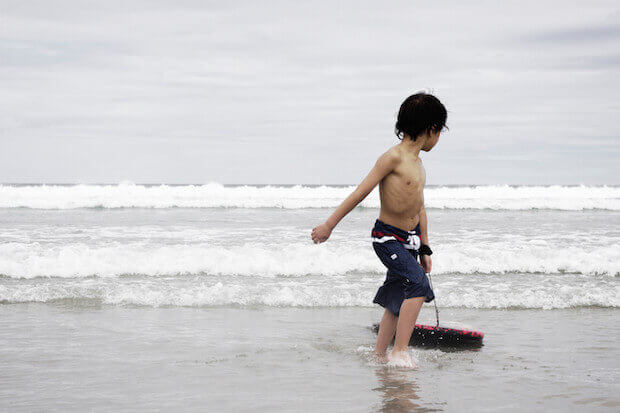
boy at beach - children should learn to swim
Swimming lessons for kids are quite commonplace in any urban area. A lot of parents would want their child to participate merely because it’s a known safety benefit to successfully handle oneself in a body of water. Some parents kickstart their kid’s water affair earlier than others (there has been some debate on an ideal starting age), but the benefits of getting your child in the pool are overall, quite substantial.

Here is why a child should be in swimming lessons:

They can ensure their own safety and self-reliance

Swimming, beach-going, watersports, etc., are hugely popular activities for people of all ages. Being able to safely handle yourself in water is imperative if you are to find yourself in such a situation. Drowning is unfortunately the 3rd leading cause of death by unintentional injury. Furthermore, it is often hugely underestimated how quickly and fatally an accident can occur. If a child is effectively taught how to a) stay calm and b) practice the correct maneuvers, the likelihood of them ever being at risk for losing control is significantly reduced.

2. They can boost their physical and mental health

In our modern tech-fueled world, there are more reasons than ever to keep a child physically moving. Low impact sports like swimming can be done by children of any size or athletic ability (grab the lifejackets and water wings if needed!). It is a universal skill that once learned, can even be a remedy for anxiety and depression– things undoubtedly important to keep in check for a child’s mental well being.

3. They can learn to conquer their fears

It’s not to be overlooked that being afraid of water is a real fear for some. Kids especially can be exponentially overwhelmed if they feel pressured by their peers. Afterall, adolescent birthday parties or summer activities typically include swimming at one point or another. Starting swimming lessons early on can help a child rationalize their relationship with water. This helps them prepare for water-situations instead of feeling frightened because they’ve had no viable experience. If your child is afraid of the water, here is a great resource on helping them overcome that fear.

Make swimming part of your child’s extracurricular activities

When it comes to extracurricular activities, swimming lessons are relatively inexpensive at the community center level. This is when you compare it to costs associated with other sports like minor hockey or dance classes. So, think of it as a worthwhile investment directly into your child’s safety and health. Not to mention, they won’t feel left out on the next swimming-related adventure!


Facing fears: How parents can help children who are afraid to fly

Susan Cumberland Published: March 25, 2016 Last Updated Date: June 27, 2024

Parents can help children who are afraid to fly

If a child is fearful of flying and they are getting increasingly anxious before take-off, there are some methods to help diffuse the panic.

Being scared of flying is fairly common for people of all ages. However, children might not be able to grasp just how uncommon plane crashes are (chances are approximately 1 in 11 million). So even though as a parent you can assure them they will be more than safe, they still have to make their way down a jetway into an isolated tube– and then launched 30,000 feet in the air. Easier said than done, right?

Here are some ways to help your child be at ease the next time they fly:

Teach children about the history of flying

Before you even leave for the airport, try to build up the excitement of flying, rather than the fear of it. Let’s not forget, that it’s pretty awesome how a bunch of humans can be transported so quickly, high up in the sky. Perhaps explain some history of aviation (the Wright Brothers) and how your child is rather lucky to have a comfy seat and free drinks! After all, air travel in the modern day is quite luxurious compared to its humble beginnings. Perspective is everything when it comes to facing fears.

Use resources to help kids overcome a fear of flying

There are some books specially made for this subject, believe it or not. Reading Rainbow even has a video you can show your kids about it. A child counsellor also has some advice to get kids over their fear of flying here. The Good Stuff channel also has a video that talks about the psychology of the fear of flying, with helpful tips. In that video, they interview a young man who faced his fear of flying by spending 30 days on an operating airplane, non-stop!

If you have children who are afraid to fly, demonstrate being calm and relaxed

It’s important that along every step of your journey, you are modelling relaxed, at-ease behaviour. If you get worked up, chances are you child will feed off of it and heighten their own anxiety.

Turbulence. A common occurrence on flights, some days being much worse than others. If you find yourself in a bout of turbulence, it’s important to reassure your child that it’s completely normal. Perhaps tell them it’s like potholes in the clouds. Or, that they are part of the weather being ‘made’ and it’s going to be bumpy for a bit. Reassure them that turbulence does eventually end– even though at the time, it sure doesn’t seem like it!

Prepare distractions for kids when flying

Let your child know in advance that they have to go through a security screening (think sci-fi fun!), as well as a safety briefing on the plane. Perhaps grab the safety pamphlet from the seat pocket, and quiz them to make sure they were paying attention!

Then, there is the waiting game. Flying takes up a huge chunk of time. From waiting to get on the plane, waiting to take off, the flight time itself, waiting to get off the plane, waiting for luggage… it really is quite boring and uneventful, which might help them be less scared of it.

Since so much time is involved in flying, make sure you have enough resources to occupy them so their mind doesn’t wander into anxious thoughts. Bring games and toys. For older kids, make sure you have a tablet or smartphone (with charger cable on board!) loaded with their favourite movies, music, TV, and games. Bring a journal or paper for them to draw and sketch. Team up with them and try these fun pencil and paper games!

Aim for long term success to fly without fear

Your child will likely feel quite accomplished if they are able to get through a flight without being afraid. Perhaps reward their behaviour with a small treat or gift to mark the occasion.

If your child is having persistent difficulty with flying, perhaps there are underlying reasons that child counselling could help rectify. Otherwise, if you stick to most of the above, chances are your child will be looking forward to their next flight… window seat and all, so they can enjoy the spectacular view!

  • « Previous Page
  • 1
  • …
  • 11
  • 12
  • 13
  • 14
  • 15
  • …
  • 22
  • Next Page »
Book a Tutor Online Now!

Filter the blog

  • All blog posts
  • All News
  • Parent Interests
  • Teacher & Tutor Resources
  • Kid’s Health

Newsletter signup!

Get educational topics delivered to your inbox bi-monthly or less! Unsubscribe anytime.

CAPTCHA
Refresh
SIE Testimonials

Thank you for visiting School is Easy Tutoring!

Aspiring to be one of the best tutoring franchise globally, we strive to ‘reach for the moon.’ We are constantly asking for feedback from our parents and teachers. If you have any questions to ask us, or would like to share your thoughts on your experiences with us, use our contact info below.

Mail only address

School is Easy Tutoring Head Office (North America) 100 York Blvd, Suite 400 Richmond Hill, ON Canada, L4B 1J8


School is Easy Tutoring Head Office (UK) 170 Erdington Road, Aldridge, WS9 0RZ

Our Tutoring Franchise

  • Contact Headquarters
  • Educational Resources
  • Our Website Use Privacy Policies
  • Terms of Service
  • Our Tutoring Franchise
  • Career Opportunities

Tutoring Areas

  • Canada – British Columbia
    • Burnaby/North Shore
    • Langley North
    • Surrey/Delta
    • Tri-Cities/New West
    • Vancouver/Richmond
  • Canada – Alberta
    • Alberta South
    • Edmonton
    • Leduc
    • Sherwood Park
    • St. Albert
    • Northwest Calgary
    • Southwest Calgary
    • Northeast Calgary
    • Southeast Calgary
    • Airdrie
  • Dubai
    • Downtown Dubai

Common Tutoring Subjects

  • ESL Tutoring
  • French Immersion Tutoring
  • Math Tutoring
  • Science Tutoring
  • English Tutoring
Book a Local Tutor Own a Franchise Visit Our Blog
Facebook - School is easy Instagram - School is easy Linkedin - School is easy Twitter - School is easy

School is Easy is a proud member of the LaunchLife family.

LaunchLife International Inc

Copyright © 2026

· School Is Easy Tutoring | 100 York Blvd, Suite 400, Richmond Hill, ON, Canada, L4B 1J8 | +1 833 473 2791 (Head Office)

    For further information or to schedule a free consultation, please fill in your details below.

    604 283 9914

    we'd love to connect with you.

    For further information or to schedule a free consultation, please fill in your details below.

      For further information or to schedule a free consultation, please fill in your details below.

      +971-58-559-EASY

      we'd love to connect with you.

      For further information or to schedule a free consultation, please fill in your details below.

      we'd love to connect with you.

      CAPTCHA
      Refresh